How to Flush a Tankless Water Heater to Prevent Leaks
Flushing your tankless water heater once a year removes the scale that causes leaks. Here's the exact Fort Pierce process, costs, and when to call a pro.
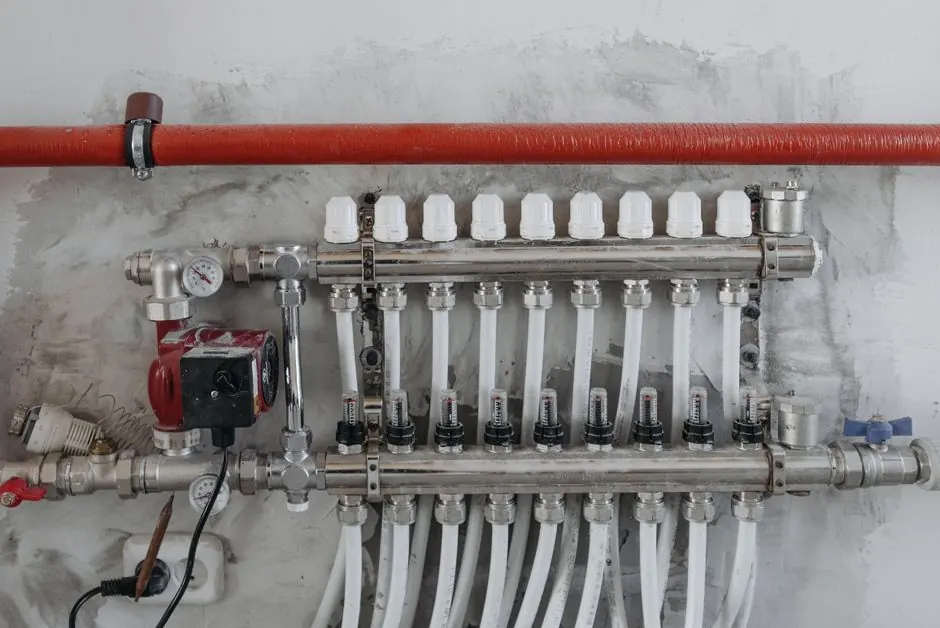
Flushing a tankless water heater means pumping a descaling solution through the heat exchanger to dissolve the calcium and magnesium that build up inside it. Do that once a year in Fort Pierce, and you remove the single biggest cause of tankless leaks - scale that cracks gaskets, corrodes fittings, and blocks the flow path. The rest of this post walks you through the exact process, the vinegar method, what a pro flush costs in 2026, and the mistakes that turn a maintenance job into a repair bill.
We run these flushes across the Treasure Coast every week, and the difference between a tankless unit that lasts 20 years and one that starts dripping at year six is almost always the same: whether anyone bothered to descale it.
Why scale causes tankless water heater leaks
Fort Pierce water carries dissolved calcium and magnesium that drop out of solution when the water heats inside the heat exchanger. Those minerals plate onto the copper walls as hard scale, and once that layer forms, it does three things that lead to leaks.
First, scale insulates the metal, so the burner or element runs hotter to hit the same output temperature. That extra heat stress fatigues the O-rings and gaskets at the inlet and outlet connections. Second, scale narrows the internal channels, raising pressure inside the exchanger. Third, the scale itself is slightly acidic in the presence of condensation, and it eats at the braze joints where the water lines meet the exchanger body.
You will usually see the warning signs before a full leak: a rumbling or popping sound during heating, reduced hot water flow at the tap, or a faint mineral crust around the water connections. If you spot white chalky buildup on the fittings, the scale inside is already thick. That is also when we start seeing Water Heater Leak Detection Fort Pierce FL calls turn into real repairs instead of routine maintenance.
The scale problem is worse here than in many parts of the country because our water is moderately hard and our incoming water temperature is warm year-round. Warm water holds minerals differently than cold water, and the constant heating cycles in a Florida home - even a light one - keep depositing new scale on top of the old.
How often should you flush a tankless water heater in Fort Pierce?
Flush your tankless water heater every 12 months in Fort Pierce, and every 6 to 8 months if you have hard water, a large household, or a whole-home recirculation loop. That is the short answer, and it is the one that prevents most leaks.
The manufacturer manuals for Rheem, Rinnai, Navien, and Noritz all say "annually" in the fine print, but those manuals are written for average water hardness. Fort Pierce sits in a range where we routinely pull a cup of scale out of a unit that was flushed 14 months ago. On the Treasure Coast, annual is the floor, not the target.
Here is how we break it down by household:
- 1-2 people, soft water, no recirculation: every 12 months.
- 3-4 people, moderate hardness: every 9 to 10 months.
- 5+ people, hard water, or recirculation pump: every 6 months.
- Restaurant or commercial use: every 3 to 4 months.
If you are not sure which bucket you fall into, look at the cold water line for white crust, or check whether your ice maker has scale. Both are quick indicators of how hard your water is running.
Tools and supplies you need
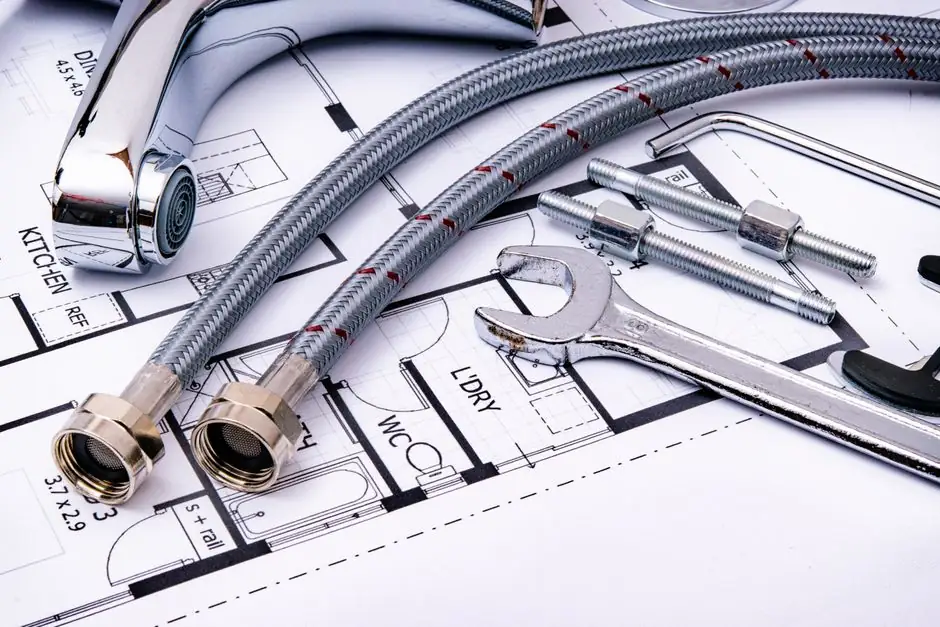
You can flush a tankless water heater with vinegar and a small pump for under $150 in parts, and the job takes about 60 to 90 minutes on a standard residential unit. Here is the kit:
- A 1/6 HP submersible pump with a 5-gallon bucket (sump pump works).
- Two 6-foot washing machine hoses with female threaded ends.
- 4 gallons of white vinegar, or a commercial descaling solution like Hercules Sizzle or Nu-Calgon.
- Two 3/4-inch brass hose adapters sized to your service valves.
- A bucket large enough to hold the pump and 3 gallons of solution.
- Nitrile gloves and eye protection.
Most modern tankless units already have isolation valves on the hot and cold lines - those are the two brass ball valves with hose-thread caps. If your unit does not have them, you will need to install a set before flushing, or you will be shutting off the whole house water supply. We install isolation valves on almost every Tankless Water Heater Leak Repair and Flushing Fort Pierce FL job for exactly this reason.
Step-by-step: how to flush a tankless water heater with vinegar
Descaling a tankless water heater with vinegar is the same process a pro uses, just with a milder acid and a longer soak time. Follow these steps in order.
1. Shut off the unit and the water
Kill power at the breaker for an electric unit, or turn the gas valve to "pilot" or "off" for a gas unit. Close the cold-water isolation valve first, then the hot-water isolation valve. Open a hot tap somewhere in the house to relieve pressure.
2. Connect the pump loop
Attach one hose from the pump outlet to the cold-side service valve. Attach the second hose from the hot-side service valve down into your bucket. The pump pushes vinegar in through the cold side and it returns through the hot side, carrying scale with it.
3. Mix the solution and start the pump
Pour 3 to 4 gallons of white vinegar into the bucket. Submerge the pump. Open both service valves and turn the pump on. You should see a steady stream returning to the bucket within a few seconds.
4. Let it circulate for 45 to 60 minutes
Vinegar is weaker than commercial descaler, so it needs more time. Forty-five minutes is the minimum; an hour is better if you have not flushed in over a year. For heavy scale, run it 90 minutes and swap in fresh vinegar at the halfway point.
5. Flush with clean water
Dump the dirty vinegar, refill the bucket with clean water, and run the pump for 5 minutes to rinse the exchanger. Do not skip this - leftover acid will attack the metal over time.
6. Reconnect and test
Close the service valves, remove the hoses, and reopen the cold and hot isolation valves. Restore power or gas. Run a hot tap for 2 minutes and check every connection for drips. If you see moisture at a fitting, stop and call us before you run the unit.
What a professional descaling service includes
A professional tankless flush in Fort Pierce runs $150 to $300 in 2026 for a standard residential unit, and it includes more than just pumping vinegar. When we flush a tankless heater, we also inspect the parts that fail between flushes.
Our service includes:
- Full descale with commercial-grade solution, not vinegar.
- Inspection of the inlet filter screen and cleaning if needed.
- Pressure relief valve test and verification.
- Visual check of every water connection for weeping or corrosion.
- Flame sensor and igniter inspection on gas units.
- Error code history pull on units with digital displays.
That last item matters more than people realize. A tankless unit that has thrown an error code three times in the past year is telling you something, and it is usually scale-related. Catching it during a flush is far cheaper than catching it during a leak. For homeowners in older neighborhoods with galvanized supply lines, we also recommend a Water Heater Leak in Downtown Fort Pierce inspection, because the pipe scale from those older lines feeds straight into the tankless unit.
Common mistakes that lead to leaks
The most common mistake is skipping the flush because the unit is "working fine." Tankless heaters do not fail loudly - they scale quietly until a gasket gives out.
Other mistakes we see regularly:
- Using too little vinegar. Three gallons in a 5-gallon bucket is the minimum. Diluting it further does almost nothing.
- Not flushing long enough. Fifteen minutes is not a flush. It is a rinse.
- Forgetting the inlet filter. A clogged filter screen starves the unit and causes overheating, which is a leak risk on its own.
- Reversing the hoses. Always push in through cold and out through hot. Reversing it can push debris deeper into the exchanger.
- Leaving the power on. Flushing a live unit can damage the heating element or the control board.
- Ignoring the pressure relief valve. A stuck T&P valve is a leak waiting to happen, and it is a 5-minute check.
If you have already flushed and you still see water under the unit, the problem is not scale. It is a failed gasket, a cracked fitting, or a corroded exchanger, and it needs a different repair. We handle those as Same Day Water Heater Leak Repair Fort Pierce FL calls because a tankless leak does not stop when you turn off the tap.
When to call a professional
Call a professional if you see water pooling under the unit, if the unit shuts off mid-shower, if you smell gas, or if you have never flushed the heater and it is more than three years old. Those are the situations where a DIY flush can make things worse.
We handle the full range of tankless work - flushing, descaling, leak repair, valve replacement, and full unit replacement. If your unit has scale-related damage inside the exchanger, no amount of vinegar will fix it, and we will tell you that straight instead of selling you a flush that will not solve the problem.
We also serve the surrounding communities, including Water Heater Leak in Hutchinson Island and the barrier island homes where salt air accelerates corrosion on outdoor tankless units. Coastal installations need a closer eye than inland ones, and we adjust our maintenance schedule accordingly.
Frequently asked questions
How often should I flush my tankless water heater?
Once every 12 months in Fort Pierce, or every 6 to 8 months if you have hard water, a large household, or a recirculation loop. Manufacturers say annually, but Treasure Coast water hardness pushes most homes toward the shorter interval.
Can flushing prevent tankless water heater leaks?
Yes. Scale is the leading cause of tankless leaks, and regular flushing removes it before it cracks gaskets or corrodes fittings. Flushing will not fix a leak that already exists, but it prevents most of them from starting.
How much does a tankless flush cost in Fort Pierce FL?
Expect $150 to $300 in 2026 for a standard residential tankless flush in Fort Pierce. Commercial units, hard-water descaling, and units without isolation valves cost more because of the extra labor involved.
Can I flush a tankless water heater myself?
Yes, if you have isolation valves and basic tools. The vinegar method takes about 90 minutes and costs under $150 in supplies. If your unit lacks isolation valves, or you have never done it before, a professional flush is safer and includes an inspection.
What happens if I never flush my tankless water heater?
Scale builds until it blocks flow, overheats the exchanger, and cracks the seals. Most neglected tankless units start leaking between years five and eight, and the repair often costs more than the unit is worth.
Get help with Water Heater Leak in Fort Pierce
If your tankless water heater is leaking, shutting off, or overdue for a flush, we can help. We handle Water Heater Leak Fort Pierce FL calls every day, from routine descaling to full leak repair and replacement.
Call Water Heater Leak Pros at (772) 264-9364 and we will get your hot water back to normal.